Mistakes When Choosing a First New Car
Ignoring real daily usage
The first mistake many buyers make is choosing a car based on imagination instead of daily reality. A first new car is often selected for how it looks or feels during a short test drive, not for how it will function in everyday conditions. This leads to discomfort later when the owner faces traffic, parking limits, or long commutes that were not considered.
City drivers often underestimate how much time they will spend in congestion. A compact, efficient model can be more practical than a larger, more powerful vehicle. During short pauses in daily routines, some people also switch attention to light entertainment platforms such as https://joka-bett.com/ where quick interactive sessions are used as a brief mental reset before returning to planning routes, errands, or commuting tasks. Without evaluating real routes and routines, expectations and reality quickly diverge.
Overestimating engine power
Engine power is one of the most misunderstood factors for first-time buyers. Many assume that higher horsepower automatically means better driving experience. In practice, most daily driving situations do not require strong acceleration or high speed performance.
In urban environments, smooth handling, braking stability, and fuel efficiency often matter more than raw engine output. Buyers who prioritize power over balance often end up paying more for fuel and maintenance without gaining practical benefits.
Underestimating total ownership cost
The purchase price is only one part of the financial commitment. Insurance, fuel, servicing, tires, and unexpected repairs form the real cost of ownership. First-time buyers often focus on monthly payments or sticker price, ignoring long-term expenses.
A car that seems affordable at purchase can become expensive over time if maintenance intervals are short or spare parts are costly. Planning ownership costs before purchase prevents financial pressure later.
Choosing design over practicality
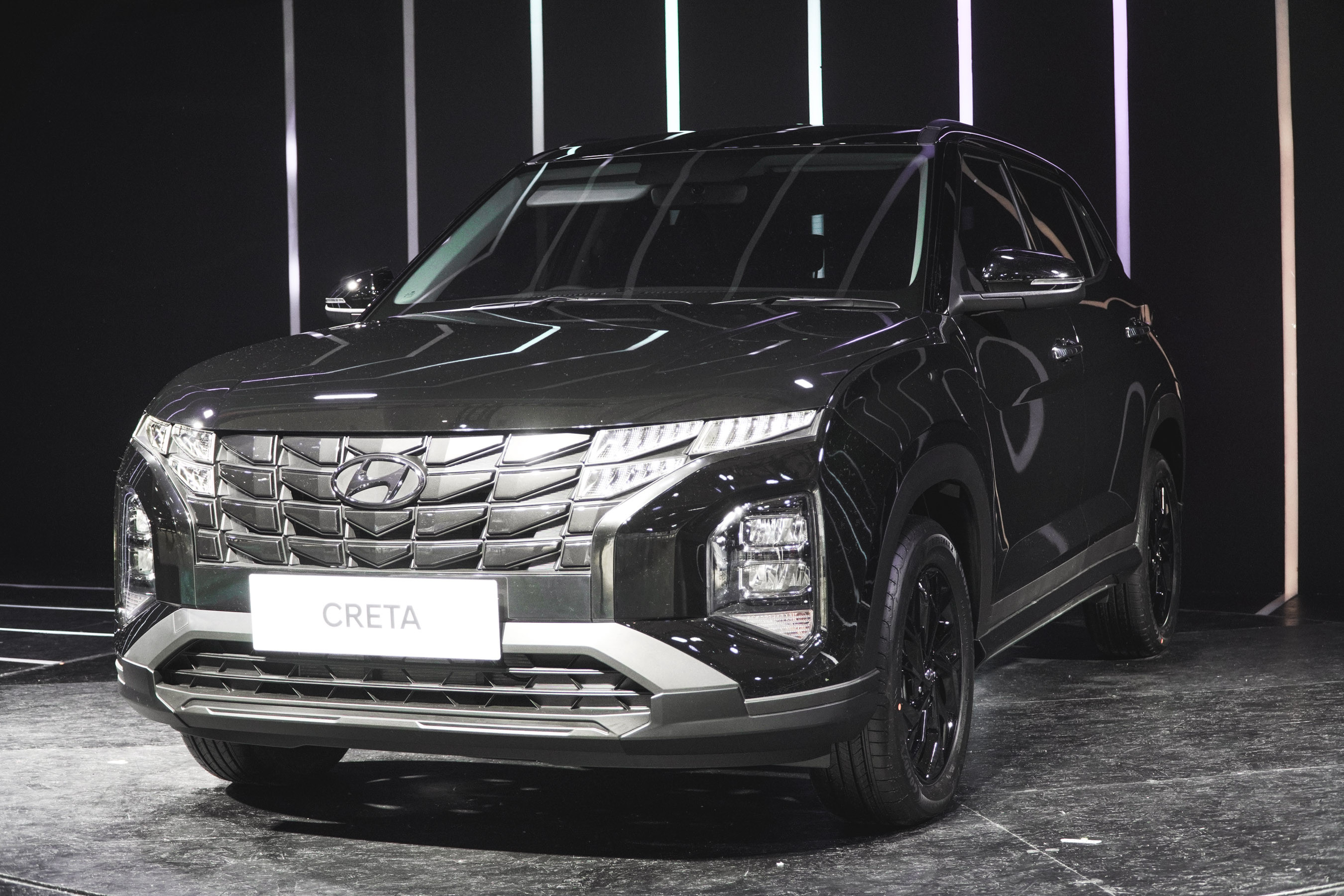
Exterior design strongly influences first impressions, which leads many buyers to prioritize appearance over usability. Sleek lines, sporty shapes, or premium styling often overshadow practical aspects like visibility, trunk space, and seating comfort.
A visually attractive car can still be inconvenient in daily use if it lacks storage space or has poor rear visibility. Practical design should support real needs rather than just aesthetic preference.
Skipping long test drives
Short test drives often fail to reveal how a car behaves in real conditions. First-time buyers sometimes spend only a few minutes behind the wheel, which is not enough to evaluate comfort, suspension, or driving ergonomics.
A proper test drive should include different road types, traffic conditions, and parking scenarios. Without this experience, discomfort appears only after purchase, when changes are no longer possible.
Misjudging interior comfort
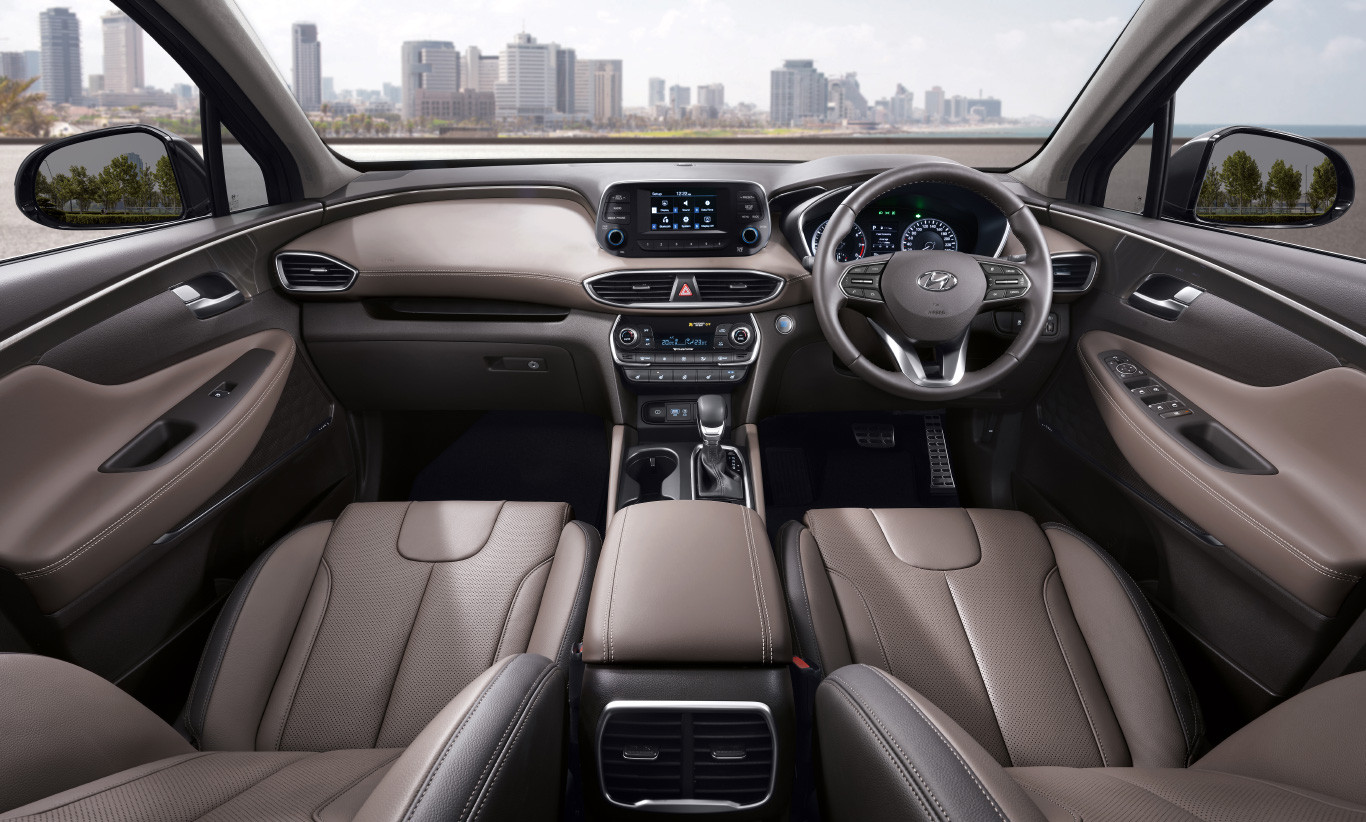
Interior comfort is frequently underestimated. Seat support, legroom, control placement, and visibility play a major role in long-term satisfaction. Buyers often focus on infotainment systems or visual design instead of physical comfort.
Small discomforts, repeated daily, become major frustrations over time. A well-designed interior improves focus, reduces fatigue, and makes driving significantly easier.
Neglecting fuel efficiency
Fuel consumption is often ignored during the excitement of choosing a first car. However, it becomes one of the most consistent monthly expenses. Vehicles with higher consumption rates may seem powerful or stylish but require significantly more budget over time.
Understanding real-world fuel usage, not just official numbers, is essential. Driving conditions such as traffic density and road quality can increase consumption beyond expectations.
Overlooking maintenance structure
Maintenance schedules differ widely between models. Some cars require frequent servicing, while others are designed for longer intervals. First-time buyers often fail to study these differences and later face unexpected workshop visits.
Availability of service centers and spare parts also matters. A well-designed car becomes inconvenient if maintenance requires long waiting times or high costs for basic components.
Relying too heavily on opinions
Advice from friends, family, or online sources can be helpful, but it often replaces personal evaluation. First-time buyers sometimes choose cars based on popularity or recommendations without considering their own needs.
Each driver has different priorities, such as commuting distance, parking conditions, or passenger requirements. Ignoring personal use patterns leads to mismatched decisions.
Underestimating parking and maneuvering
Parking difficulty is often overlooked during selection. Large vehicles may feel impressive but become inconvenient in tight urban environments. First-time buyers rarely test parking scenarios before purchase.
Turning radius, sensor systems, and visibility are critical in daily use. A car that is difficult to park quickly becomes a source of stress, especially in crowded areas.
Conclusion
Choosing a first new car requires more than comparing specifications or visual appeal. The most common mistakes come from ignoring real usage patterns, long-term costs, and personal driving conditions.
A practical decision is built on daily reality rather than assumptions. When comfort, cost, and usability are evaluated together, the first car becomes a long-term advantage instead of a recurring problem.
Related Article